Detecting Asbestos in Talc: A timely solution to meet USP <901>


The introduction of USP <901> in December 2025 has significantly raised expectations for the detection of asbestos in pharmaceutical talc.


For manufacturers and suppliers, this isn’t just a regulatory update, it’s a shift that directly impacts product safety, compliance risk and time to market.


Talc is widely used across pharmaceuticals, cosmetics and personal care products, yet its natural proximity to asbestos deposits means contamination remains a genuine and ongoing risk. With asbestos linked to serious health conditions including asbestosis, mesothelioma and lung cancer, regulators are placing greater emphasis on trace level detection and robust analytical evidence.

The challenge for industry


Many existing testing approaches lack the sensitivity or specificity required to confidently meet the new USP <901> expectations. This creates several challenges for organisations.


  • Uncertainty around compliance with the latest pharmacopeial requirements
  • Risk of product delays or recalls due to insufficient testing data
  • Increased scrutiny from regulators and customers
  • Pressure to validate supply chains and raw material quality


In short, companies need a method that not only detects asbestos but does so with the sensitivity, reliability and regulatory alignment now expected.


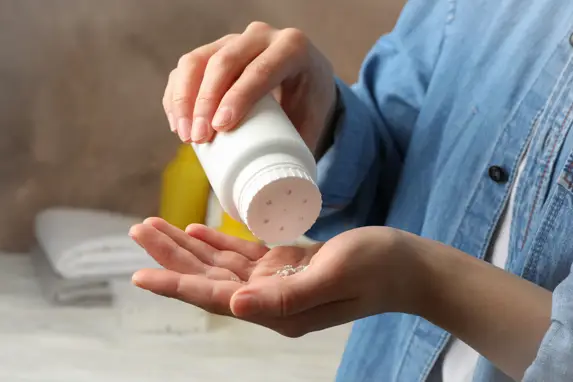
Consumer using talcum powder

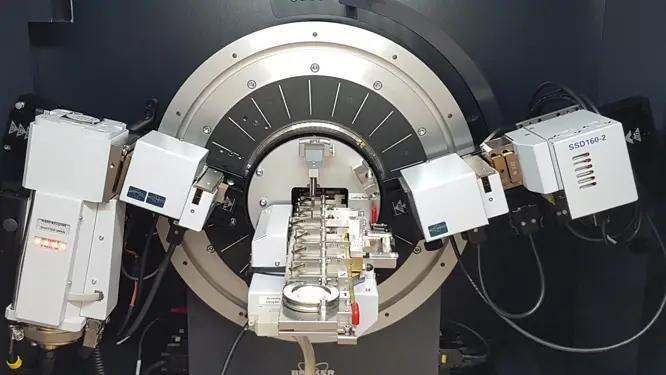
Inside D8 Bruker

D8 Bruker Advanced

RSSL provides a fully compliant solution using X-ray Powder Diffraction (XRPD) aligned with USP <901>, delivered through advanced instrumentation such as the Bruker D8 Advance.


Offering clear advantages such as high sensitivity detection of asbestos-related minerals (amphibole and serpentine) down to 0.2%, definitive mineral identification, reducing ambiguity and supporting confident decision-making, full alignment with USP <901> ensuring regulatory readiness and robust, reproducible data to support submissions and audits.


By combining qualitative mineral profiling with targeted quantitative analysis, XRPD provides both a broad understanding of sample composition and precise detection of trace contaminants.

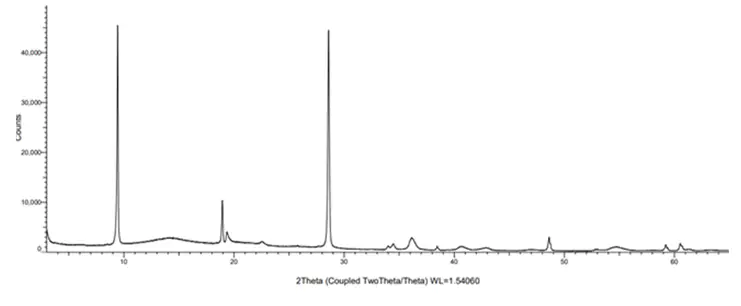
A qualitative scan is used to assess overall mineralogy of the sample (a list of peak positions for common minerals are reported in USP <1901>). This is a scan that covers a wide range of 2Theta (3-65).


Qualitative graph one


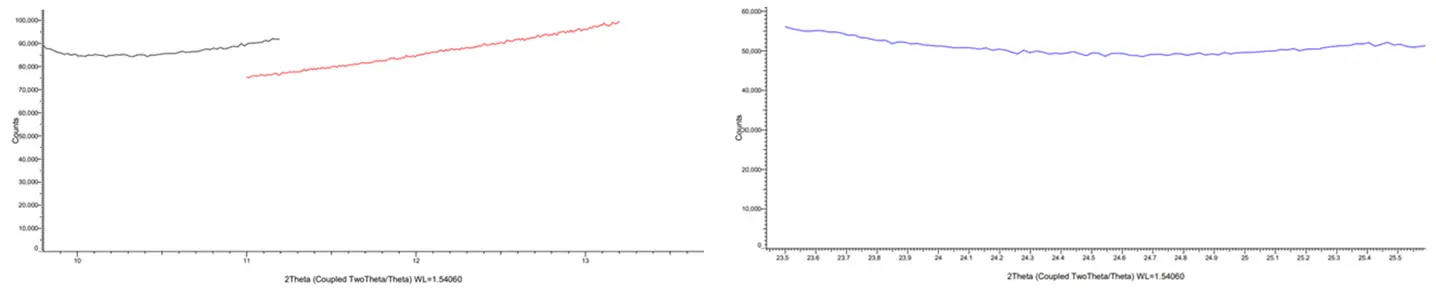
Quantitative scans are then used to determine the presence of trace levels of amphibole and serpentine minerals (above minimum detection limits).


XRD talcum powder case study - Quantitative Graph one and two


With USP <901> now in effect, this is a highly topical issue across the industry. Companies that delay adopting compliant testing approaches risk falling behind both in regulatory readiness and in demonstrating product safety to customers and stakeholders.


Early adoption not only ensures compliance but also provides a competitive advantage, positioning organisations as proactive, quality-driven partners in a highly regulated environment.


Partnering with RSSL - we support clients through every stage of asbestos testing in talc from method execution to data interpretation providing the clarity and confidence needed to navigate USP <901>. In a landscape where expectations are evolving rapidly, having the right analytical partner ensures you stay compliant, reduce risk and keep your development timelines on track.

Get fast, high quality asbestos testing in talc. Contact our experts now